Digital Nomad Visa Bulgaria: Complete 2026 Guide
A practical 2026 guide to Bulgaria's digital nomad residence permit, including eligibility, income requirements, documents, application steps, duration, and taxes.
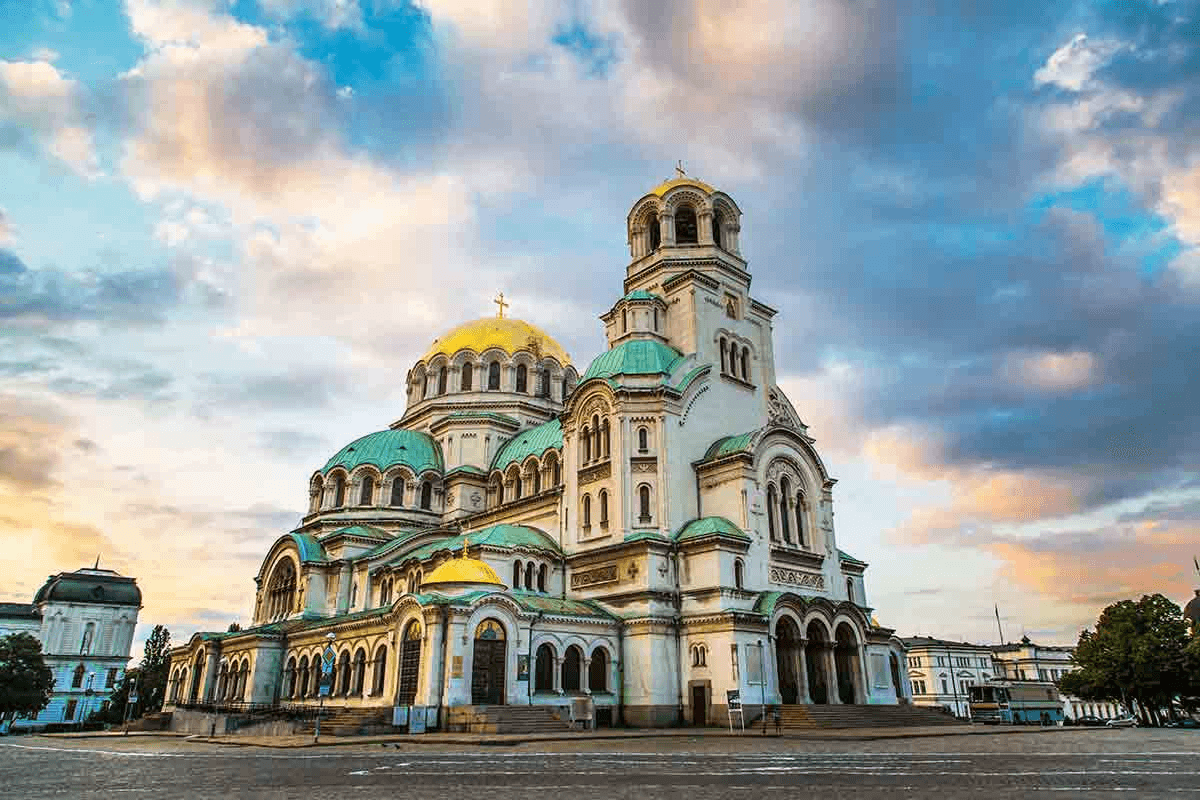
Bulgaria now offers a dedicated temporary residence route for digital nomads. It is designed for eligible non-EU, non-EEA, and non-Swiss nationals who work remotely for foreign employers, businesses, or clients while living in Bulgaria.
The route is commonly called the Bulgaria digital nomad visa, but it involves both a long-stay Type D visa and a Bulgarian temporary residence permit. This guide explains the main requirements, application process, duration, and tax questions as of June 2026.
Immigration and tax rules depend on individual circumstances and can change. Confirm the current requirements with the relevant Bulgarian embassy, Migration Directorate, and a qualified adviser before applying.
Bulgaria Digital Nomad Visa at a Glance
| Question | 2026 position |
|---|---|
| Who can apply? | Eligible third-country nationals working remotely for foreign employers, companies, or clients |
| Income requirement | At least 50 times Bulgaria's gross minimum monthly salary for the preceding calendar year |
| Approximate 2026 threshold | About EUR 31,000 per year |
| Initial permit | Up to 1 year |
| Renewal | Once, for up to 1 additional year |
| Bulgarian clients allowed? | No |
| Leads to permanent residence? | No |
Does Bulgaria Have a Digital Nomad Visa?
Yes. Bulgaria introduced a temporary residence basis for digital nomads under Article 24k of the Foreigners in the Republic of Bulgaria Act. The legal framework was introduced in 2025, and applications are available in 2026.
The permit is intended for people whose work is performed remotely through information technology and remains economically connected to employers, companies, or clients outside Bulgaria. It is not a general work permit and does not authorize employment or freelance services for Bulgarian clients.
EU, EEA, and Swiss citizens do not need this digital nomad route because they benefit from separate EU free-movement residence rules.
Who Can Apply?
The law covers three main digital nomad profiles.
Remote Employees
An applicant may qualify when employed by an employer registered outside the EU, EEA, and Switzerland. The employment must be performed remotely using information technology.
If the employment contract is fixed-term, its remaining duration should cover the requested residence period.
Foreign Company Owners and Managers
An applicant may qualify as a legal representative, manager, owner, partner, or shareholder holding more than 25% of a company registered outside the EU, EEA, and Switzerland.
This option can suit founders and business owners who actively manage their foreign company online from Bulgaria.
Freelancers and Independent Professionals
An independent professional may qualify by proving at least one year of remote freelance activity before applying. The work must be performed personally through information technology for clients outside Bulgaria.
Bulgaria Digital Nomad Visa Income Requirement
Applicants must prove income for the preceding calendar year equal to at least 50 times Bulgaria's gross minimum monthly salary.
For 2026, this produces an approximate annual threshold of EUR 31,000. The exact amount is not permanently fixed: it changes when Bulgaria's minimum salary changes. Applicants should calculate the requirement using the minimum salary in force when they apply.
Evidence may include:
- payslips and an employment contract
- personal and business bank statements
- annual tax returns
- company financial statements
- client contracts and invoices
The evidence needed depends on whether the applicant is an employee, company owner, or freelancer.
Required Documents
The exact document list can vary by applicant and consulate, but a typical application package may include:
- a valid passport
- a completed visa or residence application
- recent passport photographs
- proof of qualifying remote work
- proof that the income threshold is met
- proof of accommodation in Bulgaria
- medical insurance valid for the required territory and period
- a criminal-record certificate
- evidence specific to the applicant's employee, owner, or freelancer category
- proof of paid government and consular fees
Foreign public documents may need legalization or an apostille, together with an official Bulgarian translation. Requirements should be confirmed with the Bulgarian embassy or consulate handling the application.
How to Apply
1. Confirm Eligibility and Prepare Documents
First, identify the correct applicant category and collect evidence of remote work and income. Document preparation is often the longest part because foreign records may require legalization and translation.
2. Apply for a Type D Visa
Applicants generally begin by applying in person for a Bulgarian Type D long-stay visa at the competent Bulgarian embassy or consulate abroad. Consular processing times and appointment availability vary by location.
3. Enter Bulgaria and Apply for Residence
After receiving the Type D visa and entering Bulgaria, the applicant submits the temporary residence application to the competent Migration Directorate office. Personal attendance is normally required.
4. Receive the Residence Card
After approval, the applicant completes the process for a Bulgarian residence card. Government fees and card-production times depend on the selected service and current tariff.
Because the process crosses consular and Bulgarian migration procedures, applicants should plan several months ahead and avoid making non-refundable relocation commitments before approval.
Duration and Renewal
The initial digital nomad residence permit can be issued for up to one year. It may be renewed once for up to one additional year, provided the applicant continues to meet the requirements.
The route therefore supports a maximum period of up to two years. It does not lead to Bulgarian long-term or permanent residence, and time spent under this permit does not count toward those statuses.
Family members may be able to apply separately under Bulgaria's family reunification rules. Their eligibility, documents, and procedure should be assessed independently.
Can You Work for Bulgarian Clients?
No. The digital nomad residence route is based on remote work connected to foreign employers, businesses, or clients. It does not authorize the holder to take a Bulgarian job or provide freelance services to Bulgarian clients.
Someone who wants to work locally or build a Bulgarian client base needs to assess a different residence and work basis.
Taxes for Digital Nomads in Bulgaria
A Bulgarian residence permit and Bulgarian tax residence are different legal questions. Receiving the digital nomad permit does not, by itself, settle where all income will be taxed.
A person may become a Bulgarian tax resident based on factors including:
- spending more than 183 days in Bulgaria during a 12-month period
- having a permanent address in Bulgaria
- having their centre of vital interests in Bulgaria
The centre-of-vital-interests test considers personal and economic ties, not only day count. An applicable double-tax treaty may also affect the result.
Bulgarian tax residents are generally subject to Bulgarian tax on worldwide income, with a flat 10% personal income tax applying in many cases. Social-security obligations require a separate assessment based on employment status, business structure, and international rules.
Before relocating, obtain advice on tax residence, treaty protection, social security, and the treatment of any foreign company you own or manage. Our guides to Bulgaria's corporate tax system and opening a Bulgarian company as a foreigner provide useful starting points.
Costs and Processing Time
There is no single fixed total cost for every applicant. A realistic budget may need to cover:
- Type D visa and residence-permit government fees
- residence-card issuance
- document legalization or apostille
- certified Bulgarian translations
- insurance
- accommodation evidence
- professional tax or legal advice
Processing time depends on the consulate, document completeness, and the Migration Directorate. Start preparing well before the intended move and confirm current fees directly with the relevant authority.
Is Bulgaria a Good Base for Digital Nomads?
Bulgaria combines EU and Schengen-area access with strong internet connectivity, a competitive cost of living, and a flat-tax system. Sofia offers the largest professional network, while cities and remote work destinations such as Plovdiv, Varna, Burgas, and Bansko provide different lifestyle and cost options.
The digital nomad permit can be attractive for a temporary stay, but the two-year limit and exclusion of Bulgarian clients make planning important. People seeking a longer-term base should compare this route with other lawful residence and business structures.
Plan the Tax and Business Side of Your Move
Lion Consult assists international professionals and business owners with Bulgarian tax-residence planning, company formation, accounting, VAT, and ongoing business support.
Before moving, it is worth understanding how living in Bulgaria may affect your personal taxes, social security, and any foreign company you manage. Contact Lion Consult to discuss the tax and business side of your relocation.
This guide provides general information and is not legal, immigration, or tax advice.
Frequently Asked Questions
Does Bulgaria have a digital nomad visa?
Yes. Bulgaria offers a temporary residence route for eligible non-EU, non-EEA, and non-Swiss digital nomads under Article 24k of the Foreigners in the Republic of Bulgaria Act.
What is the income requirement for Bulgaria's digital nomad visa?
Applicants must prove income for the preceding calendar year equal to at least 50 times Bulgaria's gross minimum monthly salary. Because the minimum salary can change, applicants should confirm the exact threshold when applying.
How long is Bulgaria's digital nomad residence permit valid?
The initial temporary residence permit can be issued for up to one year and may be renewed once for up to one additional year.
Can a digital nomad work for Bulgarian clients?
No. The digital nomad route is intended for remote work for employers, businesses, or clients outside Bulgaria and does not authorize work for Bulgarian clients.
Do digital nomads pay tax in Bulgaria?
Possibly. Tax residence depends on factors including days spent in Bulgaria and the person's centre of vital interests. Anyone planning to relocate should obtain advice based on their facts and any applicable double-tax treaty.
Does the digital nomad permit lead to permanent residence?
No. Time spent under this digital nomad residence route does not count toward Bulgarian long-term or permanent residence.